If you are deciding between microneedling vs chemical peel, you are not alone. These are two of the most researched skin resurfacing treatments, and both are commonly recommended for improving texture, tone, and overall skin appearance. While they can achieve similar outcomes, they work in very different ways and suit different skin concerns.
Understanding how each treatment works, what results to expect, and which option aligns with your skin goals is essential before booking a professional treatment. In this guide, we break down the key differences between microneedling treatment and chemical peel treatment, helping you make an informed decision based on your skin type, concerns, and lifestyle.
This article also explains when one treatment may be more suitable than the other and why professional consultation is always recommended.
What Is Microneedling And How Does It Work?
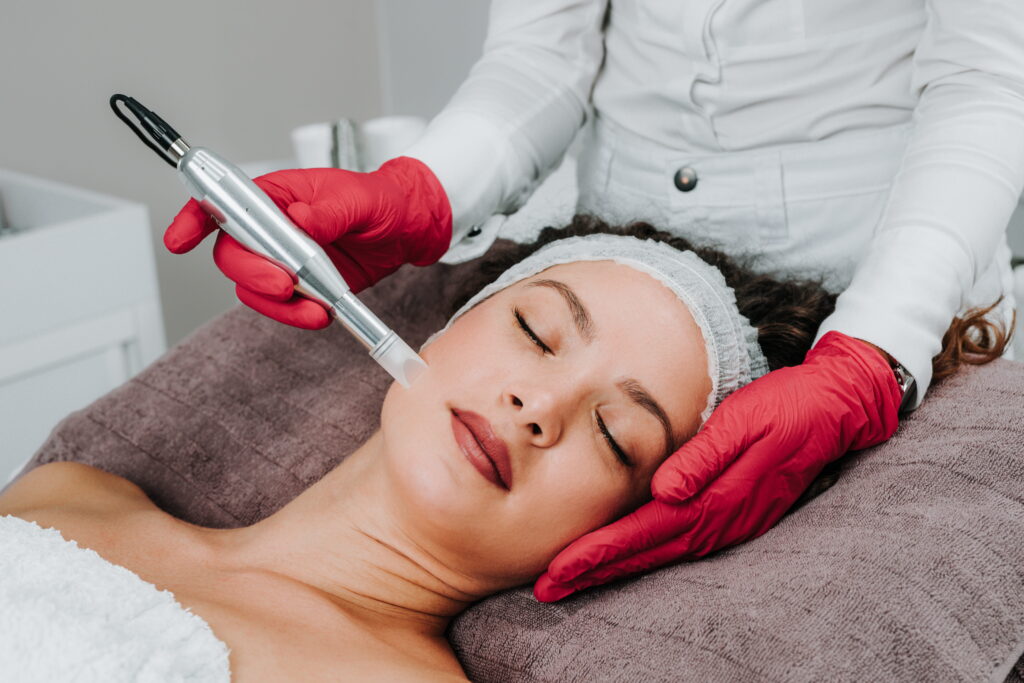
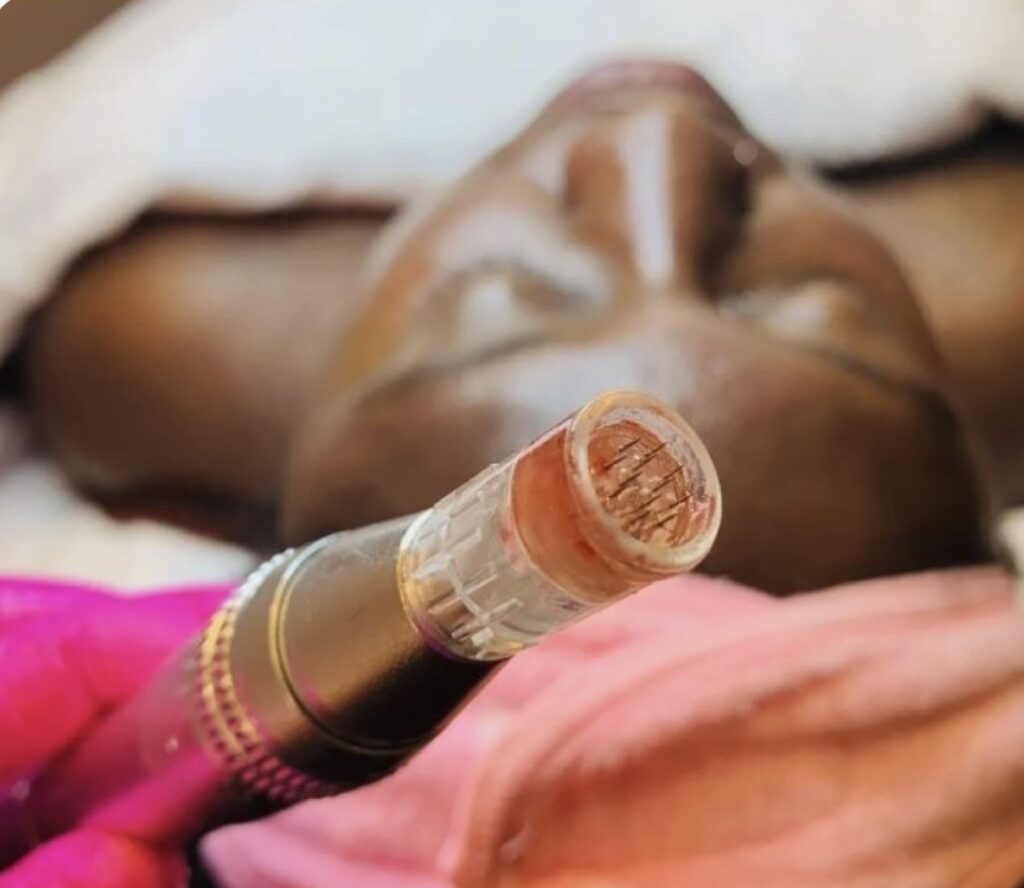
Microneedling treatment is a professional skin procedure that uses fine, sterile needles to create controlled micro-injuries in the skin. These micro-channels trigger the body’s natural healing response, stimulating collagen and elastin production.
This process supports long-term skin rejuvenation rather than surface exfoliation. Over time, the skin becomes firmer, smoother, and more even in tone.
Microneedling is commonly used to address:
- Acne scarring
- Uneven skin texture
- Fine lines and early ageing
- Enlarged pores
- Loss of firmness
Because the treatment works beneath the surface, results develop gradually over several weeks as the skin regenerates.
What Is A Chemical Peel And How Does It Work?
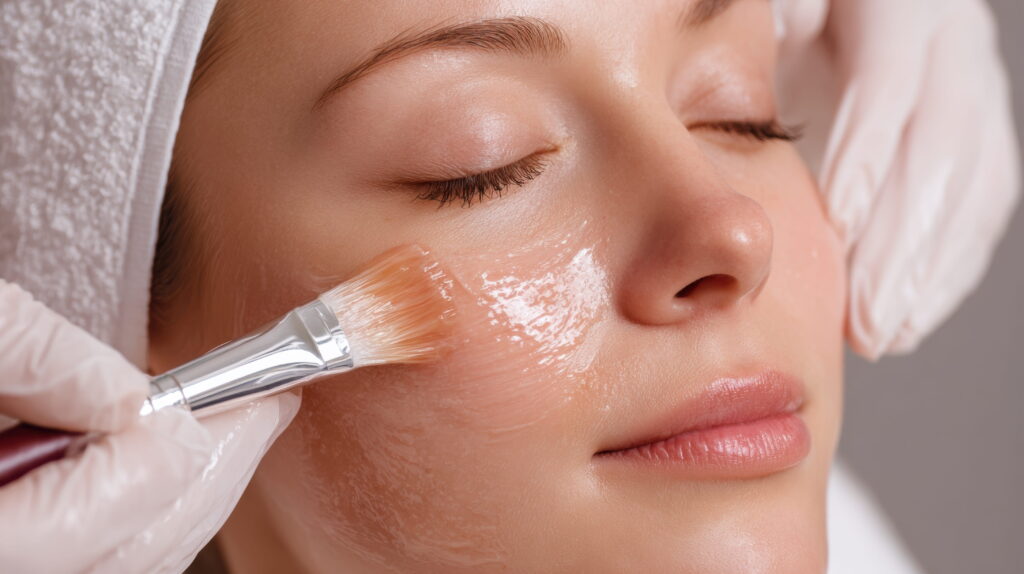
A chemical peel treatment uses carefully formulated exfoliating solutions to remove dead skin cells from the surface of the skin. This process encourages cell turnover, revealing fresher, smoother skin underneath.
Chemical peels vary in strength and formulation, allowing them to target different concerns and skin tolerances. When applied professionally, peels can be customised to suit individual skin needs.
Chemical peels are often chosen to help improve:
- Dull or uneven skin tone
- Congestion and breakouts
- Mild pigmentation concerns
- Surface texture issues
- Skin clarity and brightness
Unlike microneedling, chemical peels primarily focus on the outer layers of the skin, although some formulations can penetrate slightly deeper depending on the treatment type.
Microneedling Vs Chemical Peel, What Are The Key Differences?
When comparing microneedling vs chemical peel, the main difference lies in how each treatment interacts with the skin.
Microneedling works by stimulating the skin from within, encouraging collagen production and structural improvement. Chemical peels work by exfoliating the skin’s surface to promote renewal and clarity.
Key differences include:
- Microneedling focuses on collagen stimulation
- Chemical peels focus on surface exfoliation
- Microneedling results develop gradually
- Chemical peels often provide quicker visible brightness
- Downtime and aftercare differ between treatments
Both are effective skin resurfacing treatments, but their suitability depends on your skin goals and tolerance.
Which Treatment Is Better For Acne Scars And Texture?
For deeper texture concerns and scarring, microneedling treatment is often recommended as it encourages collagen production beneath the skin surface. This makes it a popular acne scar treatment, particularly for rolling or shallow scars.
Chemical peels may help with post-acne marks and surface irregularities, but they are less effective for deeper scarring.
In some cases, professionals may recommend alternating treatments as part of a longer-term skin plan. This ensures the skin receives both surface renewal and structural support.
Which Treatment Is Better For Pigmentation And Brightness?
If your main concern is dullness or uneven skin tone, a chemical peel treatment may be more suitable. Peels work efficiently to remove dead skin cells and support brighter, clearer skin.
Chemical peels are commonly chosen for:
- Mild pigmentation concerns
- Sun damage
- Uneven tone
- Tired-looking skin
Microneedling can also support brightness over time by improving overall skin health, but it is not primarily designed for pigment correction.
Downtime And Recovery, What Should You Expect?
Downtime varies depending on the treatment and your skin’s response.
Microneedling downtime may include:
- Mild redness for 24 to 48 hours
- Slight sensitivity or tightness
- Gradual improvement over several weeks
Chemical peel downtime depends on the peel strength and may include:
- Mild flaking or peeling
- Temporary redness
- Sensitivity to sunlight
Aftercare guidance is essential for both treatments to protect results and maintain skin health.
Can Microneedling And Chemical Peels Be Combined?
In professional skin clinics, skin rejuvenation plans may include both treatments at different stages. Combining treatments should always be guided by a qualified specialist to ensure the skin barrier remains supported.
Using both treatments strategically can help address multiple concerns without overwhelming the skin.
How Do You Choose The Right Treatment For Your Skin?
Choosing between microneedling vs chemical peel depends on:
- Your skin concerns
- Skin sensitivity and tolerance
- Desired results
- Lifestyle and downtime availability
A consultation allows your skin to be assessed properly so the most appropriate treatment can be recommended.
Professional guidance ensures realistic expectations and safe treatment selection.
Book A Professional Skin Consultation In Park Royal
If you are unsure whether microneedling treatment or chemical peel treatment is right for you, a professional consultation is the best place to start. At Refine Skinn in Park Royal, treatments are selected based on your skin’s needs, not trends or assumptions.
Booking a consultation allows you to receive honest advice and a personalised treatment plan that supports long-term skin rejuvenation and skin health.